Can You Feed Stink Bugs to Bearded Dragons
Being a responsible pet owner means keeping an eye out for potentially concerning situations that pop up. It's important to know what's normal for your pet and what's abnormal, too.
Your pet's bowel movements can be a powerful indicator of when something's wrong with them. Alternatively, they can confirm that your pet is happy and healthy, too. Keeping an eye on these is critical, as you can be sure that if there's something wrong, you'll catch it right away.
Still, we totally understand how complicated it can seem. There's a lot to know about your pet, and it can be difficult to memorize exactly what the state of their feces means about their health.
Today, we're going to share with you everything you need to know about your bearded dragon's poop. We'll address how frequently your pet should defecate, what can impact that, and the seven different types of bearded dragon fecal matter. Afterward, we'll share some potential causes if your Beardie hasn't pooped in a while and even discuss how to help make your pet poop.
How Often Should My Bearded Dragon Defecate?
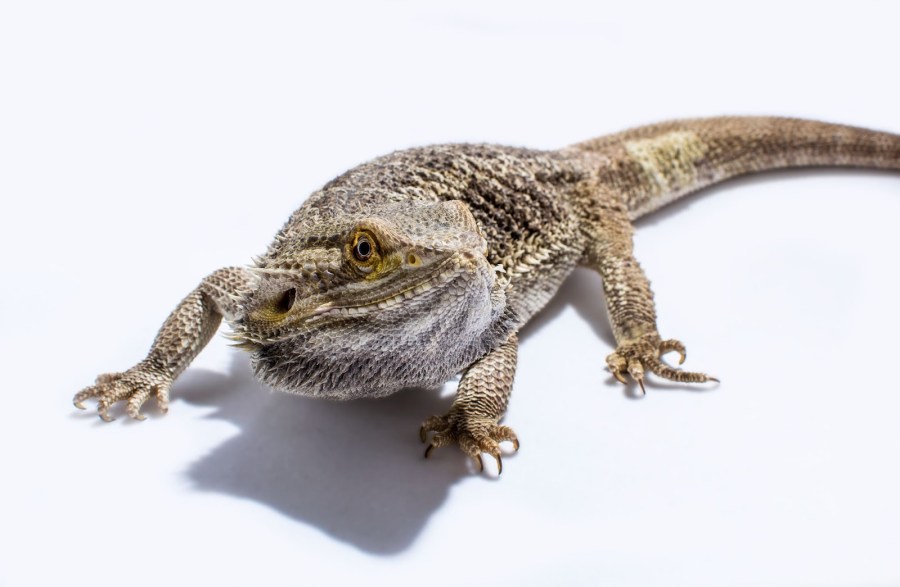
The first thing to know is that the frequency that your bearded dragon defecates depends. There are several things that can impact the frequency, which we'll dig into more later. For now, let's start by sharing some stats on how often your animal should poop.
Adult bearded dragons should be pooping at least one time per week. That being said, some can poop daily, up to seven times a week. Babies, on the contrary, tend to poop more often than adults do.
These lizards can poop up to three times a day and should be sure to defecate at least once daily. Juvenile bearded dragons will typically poop once every other day. Adults, as we mentioned earlier, will poop between one to seven times a week.

There are a variety of things that can impact how frequently–or infrequently–your bearded dragon poops. It's important to be aware of these so that you can take appropriate action if necessary.
Your animal's diet, hydration, environment, age, illness, and stress can all impact how frequently they poop. Let's dive into each of these a bit deeper. First, diet can make a sizable impact, just like with humans. If you're feeding your Beardie a lot of foods that are calcium-rich, they'll usually poop more.
This is one reason why baby and juvenile bearded dragons defecate more; they need a protein-based diet. If you have your adult on a vegetable-heavy diet, for example, you can expect them to poop less. Hydration can also play a role.
Next, your bearded dragon's environment can impact their feces frequency. Environmental factors and stress can ultimately mean that your bearded dragon poops less.
If their environment has excessive moisture and water, this can increase stress. Stress can mean infrequent defecating. Other causes of stress include loud noises, changes in habitat, and tank relocation. Also, if your bearded dragon's UVB light levels fluctuate, this can impact digestion and cause inconsistency. The result? Less frequent pooping.
We also want to mention the fact that some illnesses can impact how often your pet poops. If they're suffering from a parasitic infection, this can lead to your bearded dragon pooping a lot or being constipated. This is something to keep in mind when you're considering your pet's poop schedule.
What Are The Seven Types Of Bearded Dragon Feces?

There are a variety of different types and textures of bearded dragon poop. Here are several that you should be familiar with as a responsible owner.
Healthy Feces
First, we'll discuss healthy feces. Your pet's poop should be white and brown. The brown part of their fecal matter will be in the shape of a log. You'll notice some white at the sides or end of the brown poop.
Your animal will pass urate and poop at the same time, so they'll always appear together. If you notice that your pet's feces appears to look like this, good news! Everything appears to be okay with their poop.
Runny Poop
Next, we have runny fecal matter. This is usually caused by poor diet, dietary changes, or parasites. This can be a problem because it dehydrates your bearded dragon. If you recently changed their diet, runny stool could occur. It should return to normal in a couple of days. If it doesn't, then it's time to look into things more.
If you feed your pet foods that are high in fiber, runny stool could be a result. Remedy this by slowly reducing the amount of high fiber products they have in their diet. If your pet's feces are runny, this could also signal that they might have a parasite. Take them to a trusted veterinarian.
White Poop
If you are noticing your bearded dragon is defecating chalky white poop, it could signal that your pet is dehydrated. There are several ways to attempt to re-hydrate your pet. If you don't treat dehydration correctly, serious illness can occur.
If you've noticed that your pet has had several chalky white poops, they should see a vet. If they're only excreting the urate portion of their feces, this could indicate they're over hydrated or haven't eaten enough recently.
Bloody Poop
If you think that your bearded dragon is defecating bloody stool, you should first make sure it's not simply the result of something they recently consumed. If you gave them raspberries, for example, this could be the cause.
Still, if you're sure it's blood, there might be something wrong. Never ignore bloody stool; take your pet to the vet as soon as you can. If just one bloody stool occurs, there might not be a need to panic. Just monitor the situation. If it occurs again, this could suggest internal bleeding or parasites. Either way, bring your pet to the vet.
Yellow Poop
Yellow fecal matter has an interesting cause: it means that your pet is ingesting too much calcium. It's crucial that you reduce the amount of calcium in their diet in this case. This is because it can lead to organ damage, bowel problems, and even liver disease.
Your bearded dragon needs different amounts of calcium depending on their age. Hatchlings will require a calcium supplement every day, while juveniles need it every other day. Finally, adults will require it at least once weekly.
Black Poop
First, beware that stool darkens after being left in your lizard's environment for a few hours–so if you're noticing darkly colored stools, it could be that. This could also occur when you're giving your pet too many insects and an insufficient amount of vegetables. If they're eating leafy greens and still are defecating black stools, get it examined. This can be a sign of impaction or possibly signal there's a parasite.
Green Poop
If your bearded dragon's stool is green, this is likely due to the green dye in their food. Giving them leafy green vegetables can stain their poop. If they're acting normal, don't panic about a green poop every so often. If it's runny and has a foul odor accompanying it, this could indicate liver disease, hemolytic anemia, or anorexia. In this case, bring your pet to the vet.
My Bearded Dragon Hasn't Pooped In a While. Why?

It's important to note that a healthy bearded dragon not in brumation won't go longer than a week without defecating. Your pet will usually pass it somewhere between four or five days after you feed them. This varies depending on age and the particular species of dragon you have, but it's a general guideline.
There are six reasons that a bearded dragon might not be pooping. These include a poor diet, stress, parasites, impaction, brumation, or lighting. If you have an idea of which could be the cause, then you can take steps to begin to treat it.
How To Make Your Pet Bearded Dragon Poop

If your Beardie appears to be constipated, give them a bath! This should last for about 15 minutes. Be sure to avoid hot water and use warm instead. Try gently massaging your pet's stomach every five minutes during bathing. If this doesn't help, try some other natural remedies. You can start by incorporating soft foods into their diet and avoid feeding insects temporarily. Another option? Put a few drops of olive oil on their nose. When they lick it off, it will act as a laxative usually.
Bearded Dragon Poop: Key Takeaway
The most important thing we can tell you about bearded dragon poop is to reach out to a trusted veterinarian if you have any concerns. It's possible that your dragon will experience some sort of constipation or poop problem during their lifetime, so don't panic. Instead, treat the problem, and your bearded dragon will be on the road to recovery!
SOURCES:
All About Bearded Dragon Poop: Colors, Runny, and More | Everything Reptiles
Bearded Dragon Poop: What's Normal And What Isn't | Reptile Direct
Brumation Dormant Period in Reptiles | The Spruce Pets
boshearsthille1956.blogspot.com
Source: https://www.reference.com/pets-animals/bearded-dragon-poop?utm_content=params%3Ao%3D740005%26ad%3DdirN%26qo%3DserpIndex&ueid=ed70eae4-7c07-4da8-be34-b434c05585ac
0 Response to "Can You Feed Stink Bugs to Bearded Dragons"
Post a Comment